
Hybrid Pricing Launch Risk: When Subscription, Usage, and Credits Hit Billing Operations
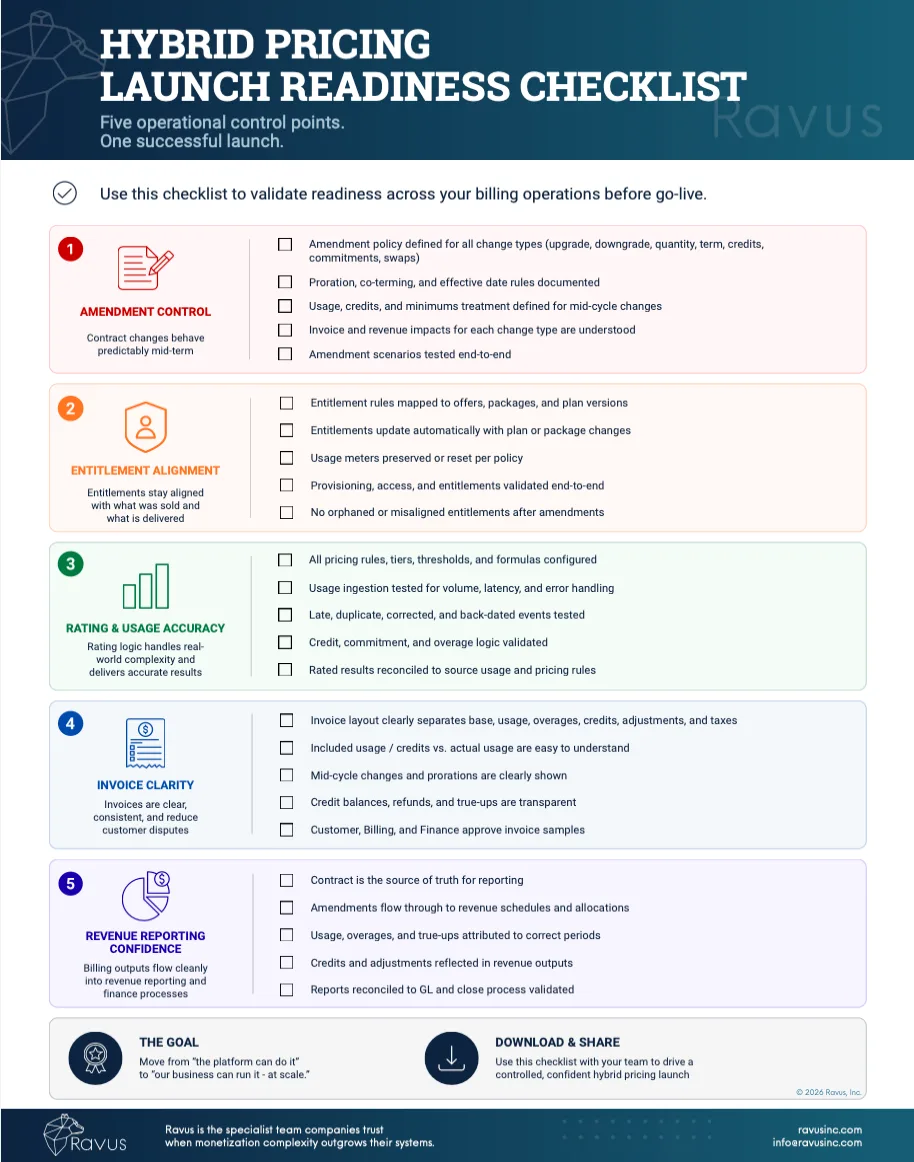
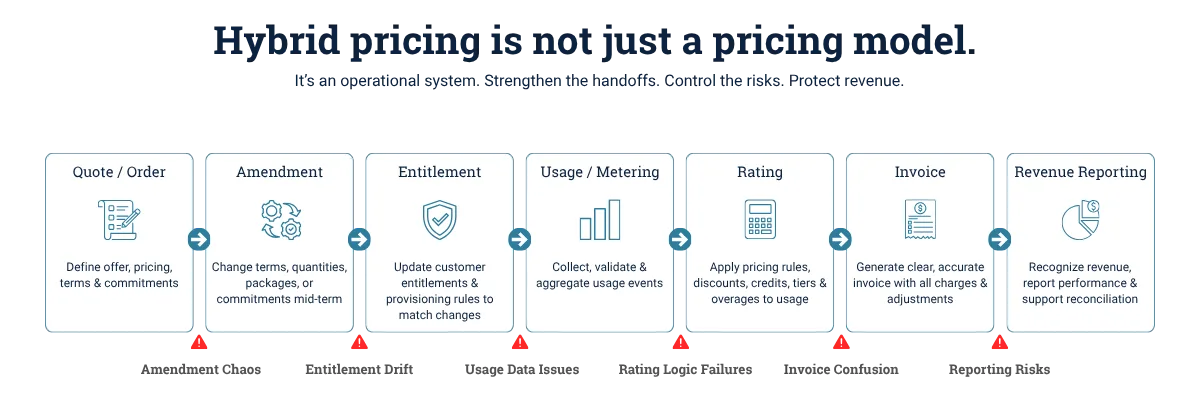
The pricing model may be right. The platform may be capable. The problem is that subscription-plus-usage pricing creates operational pressure across billing, entitlements, metering, rating, invoicing, and finance. Once real customers start changing packages, consuming credits, crossing thresholds, disputing usage, or asking for invoice detail, billing operations has to execute the model repeatedly, clearly, and with control.
Ravus helps finance, RevOps, billing, and revenue systems teams move hybrid pricing from commercial concept to controlled billing execution. We help define the amendment rules, entitlement behavior, usage handling, rating logic, invoice outputs, and downstream revenue handoffs needed to run hybrid pricing at scale.
Why Hybrid Pricing Breaks Billing Operations
Hybrid pricing changes more than the rate card. It changes the operating pressure on every handoff between quoting, contracting, provisioning, usage capture, billing, invoicing, reporting, and finance.
When the operating model is not ready, the commercial model launches but billing operations absorbs the complexity through manual review, exception handling, disputed invoices, reconciliation work, and post-launch cleanup.
Customer change becomes billing risk
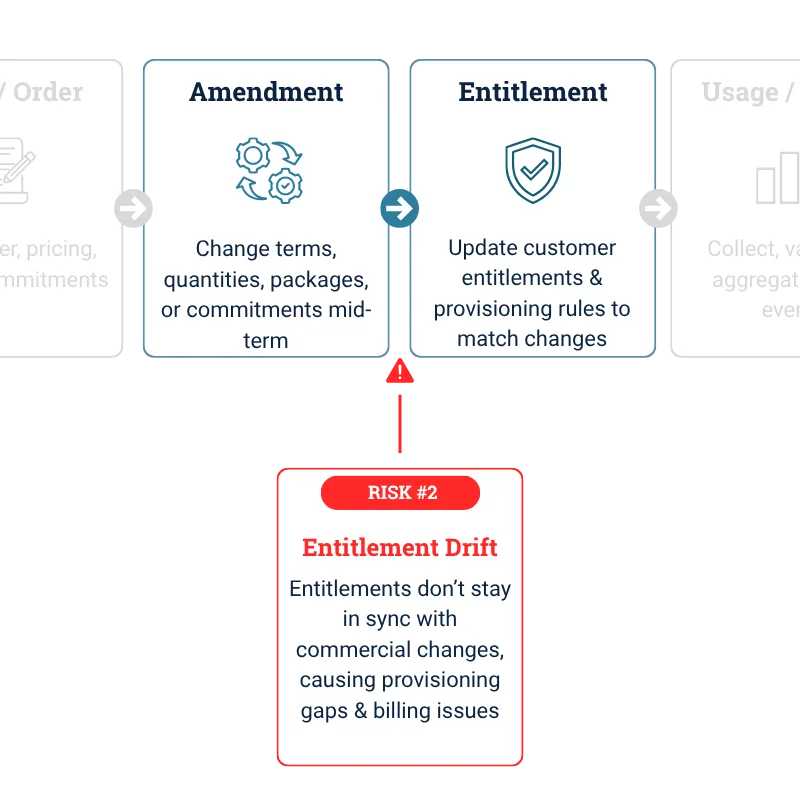
Usage and entitlement logic become financial control points
Invoice clarity becomes part of the customer experience
What Hybrid Pricing Launch Problems Look Like in the Real World
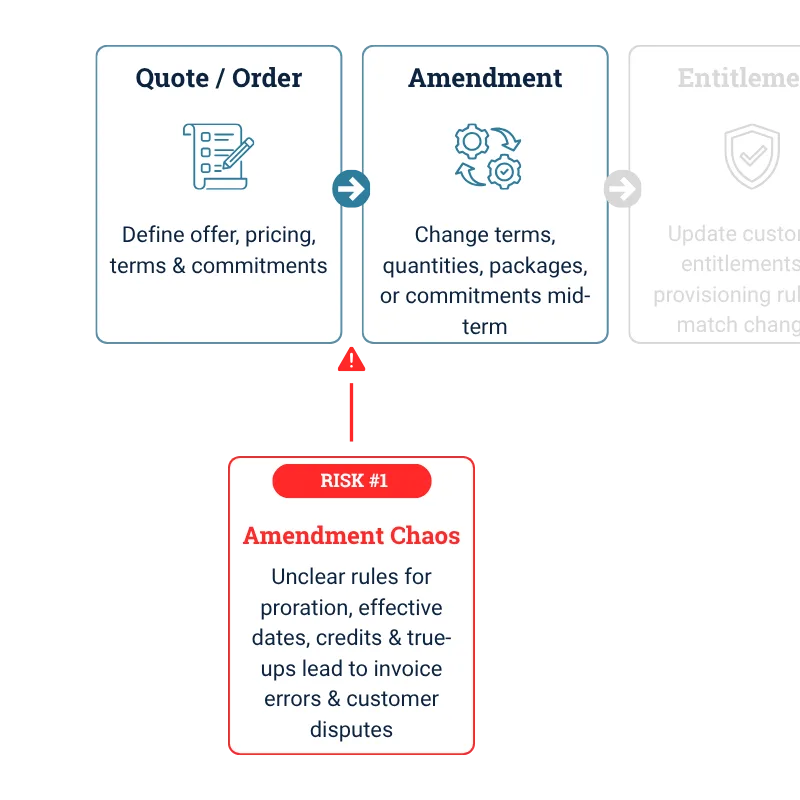
The team has not defined what happens when a customer changes a package, quantity, term, commitment, credit balance, or usage arrangement mid-cycle.
Common signs include:
- Proration rules are debated during live customer scenarios.
- Effective dates are handled inconsistently.
- Credits, commitments, or included usage do not adjust cleanly after changes.
- Billing teams disagree on whether an invoice should show delta charges, replacement charges, or both.
- Revenue schedules do not clearly reflect the amendment.
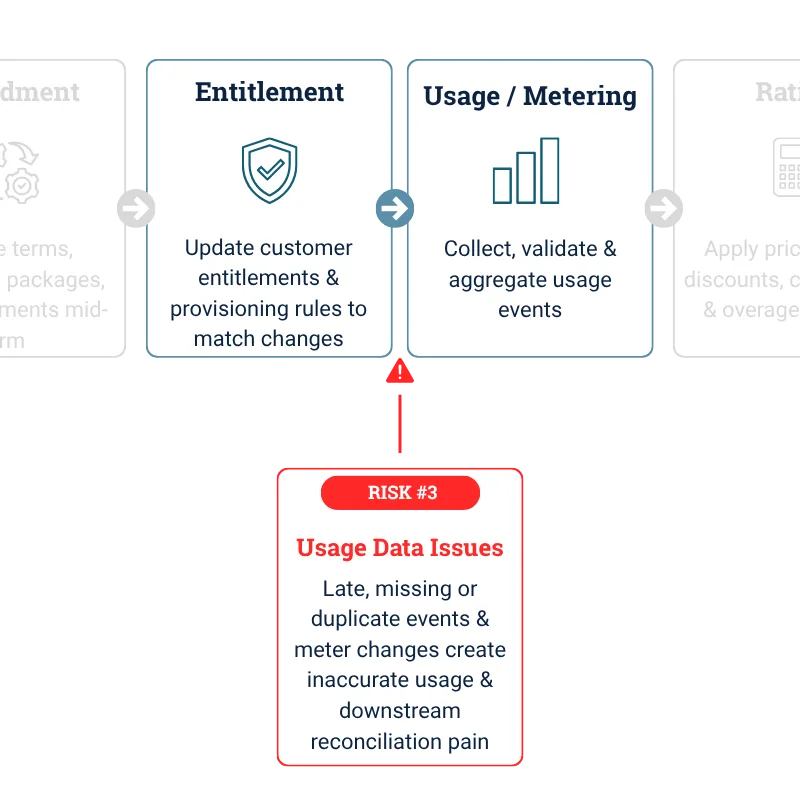
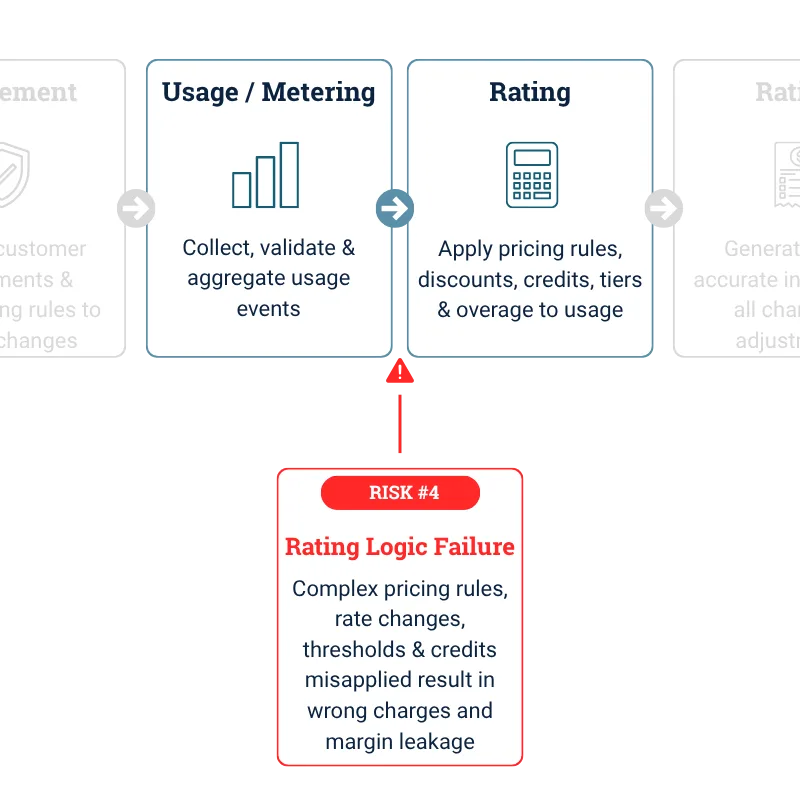
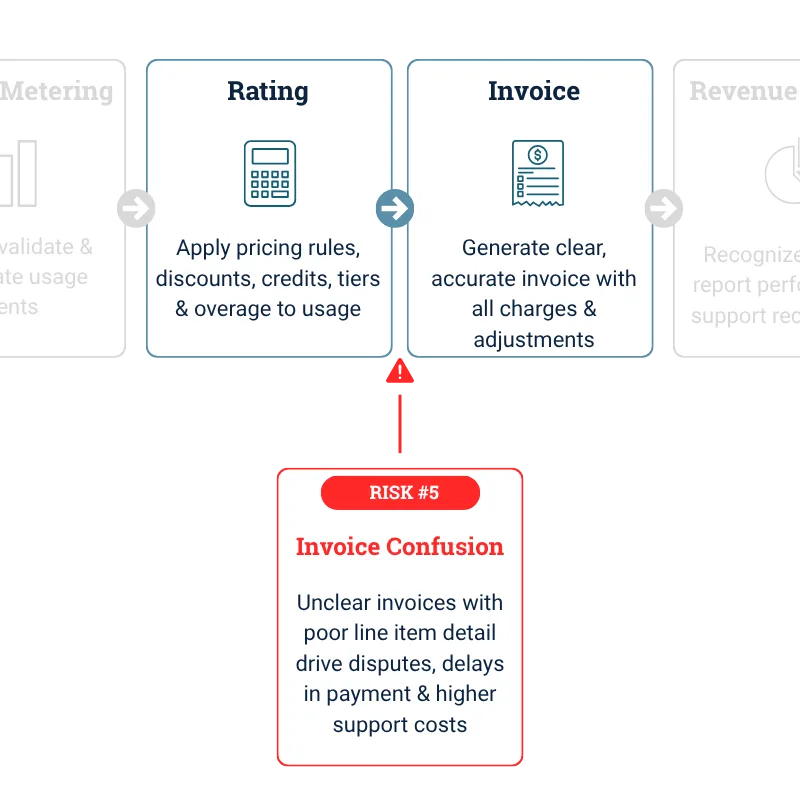
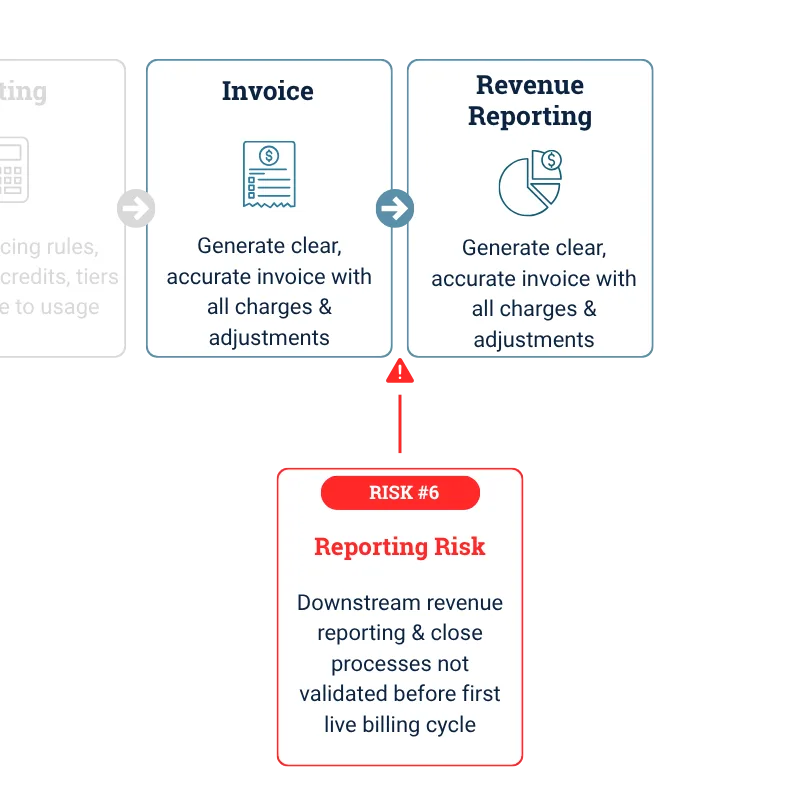
What Ravus Helps You Build or Fix for Hybrid Pricing
How to Reduce Hybrid Pricing Launch Risk
Start with the operating model, not the rate card
Before configuration starts, define the commercial behaviors the business needs to support in production: sell, amend, provision, meter, rate, invoice, report, and reconcile.
A hybrid pricing launch should begin with the operational reality of how customers buy and change over time. The rate card matters, but the operating model determines whether the business can run the model without creating avoidable exceptions.